
Pathos and Tulipano Lamps
Design, engineering: Graziella Bianchi e Renzo Fauciglietti
Production: LAMI
Years: 2000–2002
CONTEXT
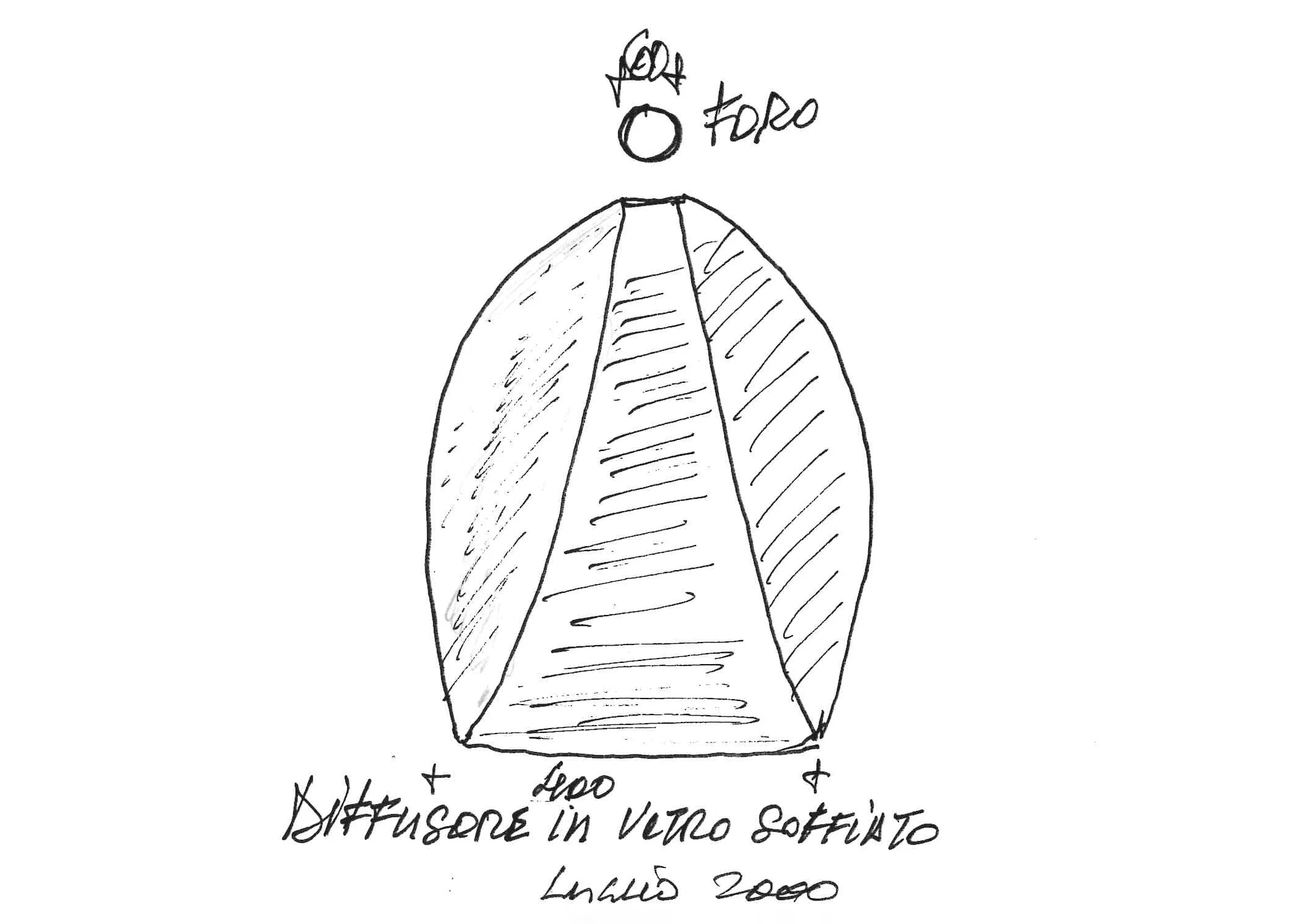
At the beginning of the 2000s, the decorative lighting sector was characterized by strong typological fragmentation and increasing difficulty in transforming formal concepts into industrially coherent products.
The meeting with Lami took place at Euroluce and came at a time when the company was opening up to expanding its offering in the field of decorative lamps.
PROBLEM
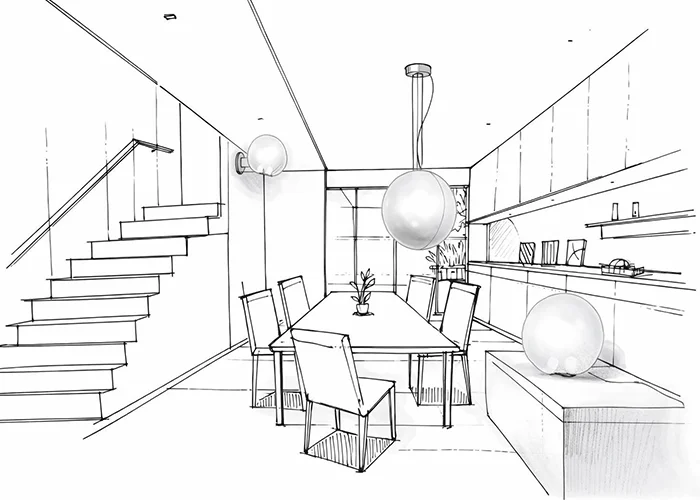
The company needed to develop a comprehensive lamp collection capable of:
- maintaining a recognizable formal identity
- being adaptable to multiple types (floor, wall, suspension, table)
- ensuring production feasibility and perceived material quality
The main risk was the gap between the formal idea, prototyping, and actual industrialization.
APPROACH
From the very first meeting, the project was structured according to an integrated method.
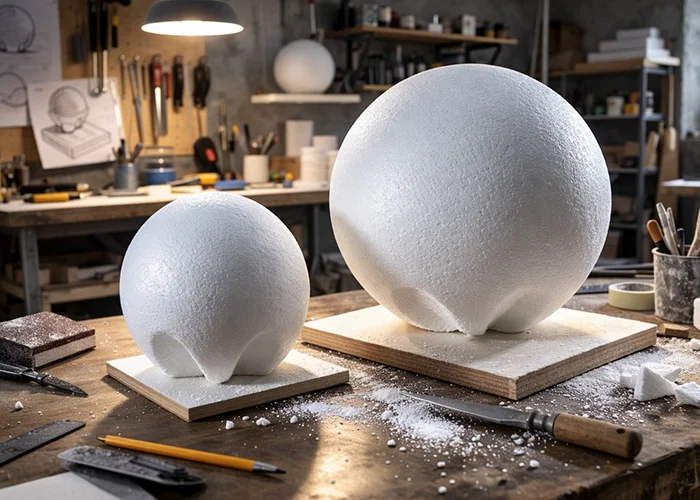
We presented a conceptually resolved prototype, made with experimental materials capable of simulating the effect of blown glass, to simultaneously verify:
- aesthetic performance
- light diffusion
- industrialization feasibility
This approach allowed decision-making times to be reduced and quickly aligned the design vision with the company’s objectives.
SOLUTION
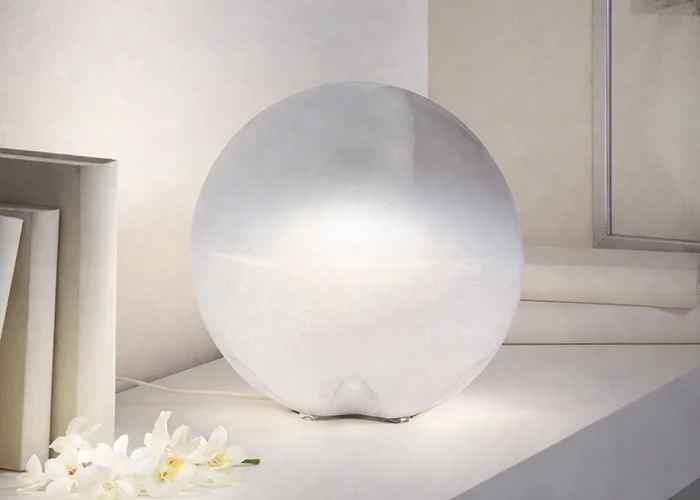
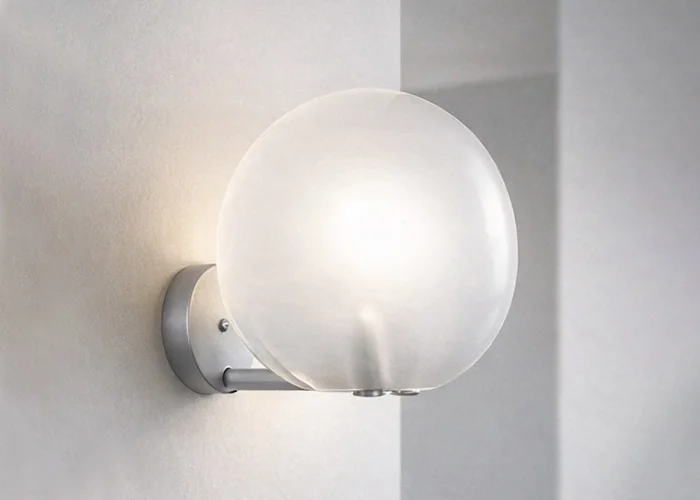
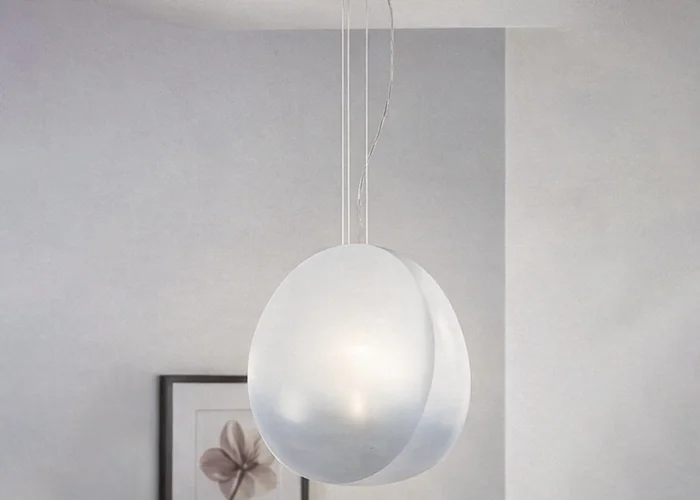
The work led to the development of the Pathos collection, followed later by the Tulipano collection.
Both families were designed as coherent systems, capable of adapting to different usage contexts while maintaining a unified and recognizable identity.
RESULTS
The Pathos and Tulipano collections were presented at major industry fairs, receiving positive market feedback and confirming the validity of the design approach, both in terms of typology and production.
The collaboration later ended due to a change in the company’s ownership structure, which altered its industrial strategies in the decorative lighting sector.
PROJECT VALUE
The Lami project represents a significant example of:
- development of complex collections
- integration between concept, prototype, and industrialization
- conscious management of the relationship between design and business vision
It demonstrates how a properly structured project can fully express its value when supported by a coherent and continuous industrial strategy.